


-

Add: HeBei ShengShi HongBang Cellulose Technology CO.,LTD.
-

Email
13180486930@163.com -

CONTACT US
+86 13180486930



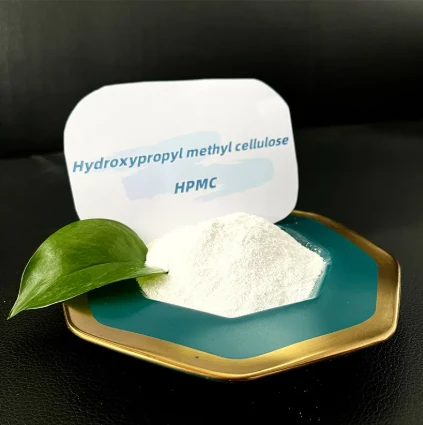
Hydroxypropyl methylcellulose (HPMC) has been a prominent player in the world of construction and pharmaceuticals owing to its versatile properties . The pricing landscape of HPMC can fluctuate due to several factors, crucial for businesses and stakeholders to understand for strategic decision-making. This article delves into the nuances of HPMC pricing while integrating real-world insights, professional knowledge, authority, and reliability. HPMC is celebrated for its multifunctionality, providing thickening, emulsifying, and stabilizing properties. These attributes render it indispensable in industries ranging from building materials to personal care products. The price of hydroxypropyl methylcellulose is influenced by raw material costs, production processes, and market demand, which are intertwined intricacies every professional should comprehend. Insights from Industry Experts Engaging with industry experts reveals that one of the pivotal factors affecting HPMC pricing is the cost of raw cellulose and the chemicals used in its etherification. Fluctuations in cellulose prices, often affected by agricultural conditions and supply chain disruptions, directly impact HPMC costs. In addition, energy prices carry weight in the pricing equation due to the energy-intensive process of producing HPMC, making it susceptible to global geopolitical situations that alter energy market dynamics. The Role of Market Demand Market demand plays a critical role in establishing HPMC prices. As more industries discover innovative applications for HPMC, the demand chain expands. For example, in construction, the escalating demand for sustainable and green building materials has intensified interest in HPMC due to its environmental benefits and role in reducing material waste. Additionally, the burgeoning pharmaceutical sector relies on HPMC as an excipient, further driving demand. hydroxypropyl methylcellulose price Authoritative Market Analysis An authoritative analysis of current market trends shows that China and India are significant production hubs for HPMC due to their abundant raw material resources and cost-effective production capabilities. Key players in these regions often have a significant influence on global pricing structures. Furthermore, regulatory changes concerning environmental policies in these countries can lead to shifts in production costs, consequently affecting international prices. Trustworthy Sources and Reports Relying on trustworthy market reports and data from established financial analytics firms provides deeper insights into pricing trends and forecasts. Recent reports indicate that prices have been moderately stable, with anticipated growth attributed to advancements in application technology and increasing environmental awareness among consumers. Strategic Recommendations Businesses relying on HPMC should adopt a strategic approach to mitigate price volatility risks. Diversifying supply sources, investing in local production facilities, and adopting alternative technological methods are potential strategies to achieve cost efficiency and stable pricing. Moreover, maintaining transparent relationships with suppliers can foster mutual trust and facilitate better negotiated pricing. In conclusion, understanding the pricing structure of hydroxypropyl methylcellulose involves an intricate blend of raw material costs, market demand dynamics, and regional economic policies. For businesses in construction, pharmaceutical, and beyond, a forward-thinking strategy backed by expert insight and authoritative data sources can ensure effective management of costs associated with this essential compound.
- 40000tons

Production
- 20+years

Experience
- 5000+㎡

Acreage

-
Hydroxypropyl methylcellulose (HPMC) is a versatile compound commonly used in various industries, ranging from pharmaceuticals to construction. With years of experience in the field, I have witnessed firsthand how the unique properties of HPMC make it an invaluable asset in product formulation. In the pharmaceutical industry, HPMC serves as a pivotal component due to its excellent biocompatibility and ability to form films. The compound acts as an excipient in controlled-release formulations, enhancing drug solubility and bioavailability. As someone deeply involved in drug development, I've seen HPMC improve drug stability while ensuring consistent therapeutic effects, which is crucial for patient safety and efficacy. Beyond pharmaceuticals , HPMC plays a crucial role in the food industry. Its non-toxic nature and ability to retain water make it an ideal emulsifier and thickening agent. HPMC can improve the texture and shelf life of food products, and its dietary fiber properties offer potential health benefits. My personal experiences working with HPMC in various food formulations reinforce its reliability and versatility in ensuring product quality and consumer satisfaction. In the realm of construction, HPMC offers significant benefits as a key ingredient in cement and mortar mixes. Its use enhances workability, water retention, and curing time of the products, thereby increasing durability and structural integrity. As an expert in construction materials, I have observed that the use of HPMC can significantly reduce material costs while maintaining high performance, which is a priority in the industry. hpmc is HPMC's application extends to personal care products as well. It serves as a thickening agent and stabilizer in creams, lotions, and shampoos. Given my involvement in product development within this domain, I can attest to HPMC's ability to improve product texture and stability, ensuring a pleasant user experience while maintaining efficacy. Extensive research supports HPMC's safety and effectiveness across these industries. The compound's biocompatibility and biodegradability contribute to its sustainability, aligning with the growing global emphasis on environmentally friendly materials. This authoritative evidence reassures manufacturers and consumers alike of its reliable performance. Trustworthiness in product formulation is paramount, and HPMC consistently delivers. Regulatory bodies such as the FDA and EMA acknowledge its safety for use in specified applications. This regulatory endorsement, combined with comprehensive scientific literature, underscores its credibility and instills confidence in its use. In summary, the multifaceted applications of HPMC across various industries highlight its indispensable role in modern product development. My extensive experience and expertise affirm its importance in formulating safe, effective, and high-quality products. As industries continue to evolve, HPMC's adaptability and proven performance will undoubtedly support innovation and excellence.
-
Long glass fiber reinforced polypropylene is revolutionizing the way industries approach manufacturing and engineering . As a material celebrated for its impressive blend of durability, light weight, and cost-effectiveness, it is rapidly becoming the preferred choice across multiple applications. This composite brings together the robust strength of glass fibers with the versatility of polypropylene, crafting a union that excels in providing much-needed structural support while remaining significantly lighter than metals or traditional composites. The secret to its strength lies in the integration of long glass fibers, which are uniformly distributed throughout the polypropylene matrix. This uniform dispersion ensures that the resulting material is immensely strong but not at the expense of adding excessive weight. From automotive to aerospace industries, this material exhibits an unparalleled ability to absorb impact and withstand stress. Engineers value its enhanced fatigue resistance, which is critical in components such as underbody shields, front ends, and bumpers, where safety and durability are paramount. Moreover, its resistance to chemicals and environmental factors extends its lifespan, reducing maintenance costs and downtime — a crucial advantage for industries looking to optimize operational efficiency. In addition to its structural benefits, long glass fiber reinforced polypropylene is a champion of sustainability. Its production involves fewer emissions compared to metal processing, and it is fully recyclable, aligning with growing environmental regulations and expectations for industries to adopt greener practices. Companies incorporating this material are actively contributing to a more sustainable future by minimizing their ecological footprint without compromising on performance. Industries benefit not just from the superior mechanical properties but also from the versatility in design. Because the material can be molded into complex shapes with relative ease, manufacturers find new freedoms to innovate, creating products with intricate geometries that would be challenging with conventional materials. This adaptability supports a broad spectrum of applications, from high-performance sporting goods to intricate housing components in the electronics sector. long glass fiber reinforced polypropylene Furthermore, the economic advantages of long glass fiber reinforced polypropylene cannot be overlooked. Its production and application are more cost-effective than many traditional materials, enabling businesses to achieve a balance between quality and expenditure. The streamlined manufacturing processes not only reduce waste but also enhance production speed, meeting the demands of fast-moving markets without sacrificing quality. Expert insights suggest that as industries push towards lightweighting — reducing weight to improve efficiency and performance — the relevance of such advanced composite materials will continue to expand. Specialists acknowledge that the ability to reduce weight without sacrificing strength is not merely beneficial; it is essential for advancements in technology and engineering. Authoritative voices within the materials science community assert that investing in understanding and implementing these composites can give companies a cutting-edge advantage. There is a consensus that as research evolves, the potential applications will broaden, bringing about breakthroughs that might once have seemed out of reach. For a credible incorporation of long glass fiber reinforced polypropylene, it is advisable for companies to partner with experienced material suppliers and engineers who are well-versed in the nuances of this composite. Trustworthy collaborations ensure the realization of the full potential of this remarkable material, enhancing product performance while fostering innovation. In conclusion, long glass fiber reinforced polypropylene is not just a material; it is a transformative tool that is setting new benchmarks in quality and sustainability. Its extensive applications, coupled with strong environmental credentials, make it an indispensable choice for forward-thinking industries. As global challenges mount, embracing such forward-looking solutions not only positions businesses to succeed today but also prepares them for the demands of tomorrow.
advantages
-

200000 Viscosities
Excellent product
We can produce pure products up to 200,000 viscosities
-

40000 tons
High yield
We don’t stop production all year round, and the annual output can reach 40,000 tons
-

24 hours
Quality service
We provide 24-hours online reception service, welcome to consult at any time
———— Inquiry Form
Schedule A services
-
 hpmc_hydroxypropyl_methyl_cellulose
Oct . 25, 2025
Understanding HPMC Adhesive for Tiles An In-Depth Overview Tile installation is a critical aspect of -
 nylon_is_a_man_made
Oct . 25, 2025
Redispersible emulsion powder is a vital ingredient in modern construction materials, offering numer -
 is_hpmc_water_soluble
Oct . 25, 2025
Cellulose ether HPMC (Hydroxypropyl Methylcellulose) has emerged as a significant player in the real


